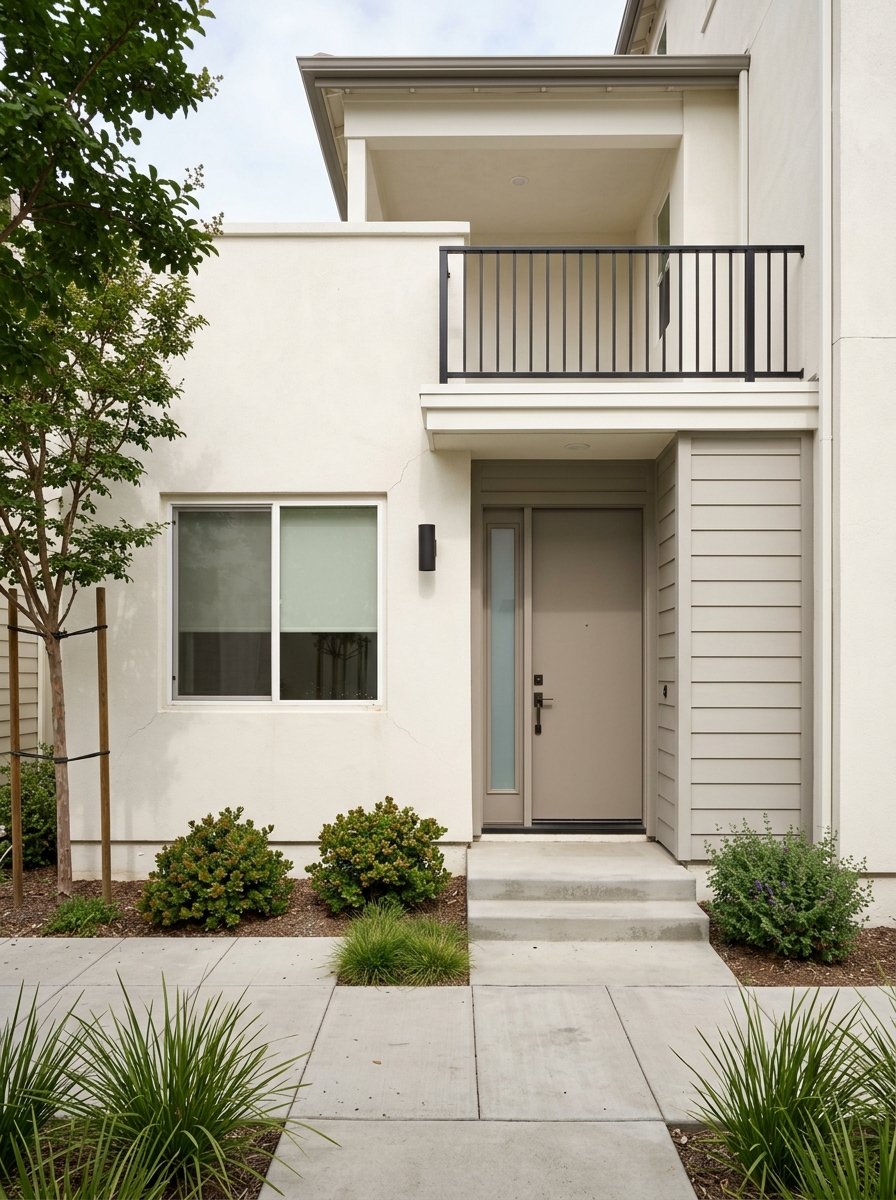
Thinking about buying a condo or townhome in Sacramento? It can be a smart way to get into the market, lower your exterior maintenance, and access amenities that are harder to find in some single-family homes. Still, attached housing comes with its own rules, financing hurdles, and HOA documents, so it pays to know what you are buying before you commit. Let’s dive in.
Sacramento condo and townhome market snapshot
Sacramento buyers currently have a meaningful range of attached-home options to explore. Recent market snapshots show about 169 condos for sale at a median listing price of $365,000 and 31 townhouses at a median listing price of $415,000.
You will also see a wide spread in size and layout. Current listings suggest Sacramento condos often range from compact 1-bedroom, 1-bath units around 680 to 760 square feet up to 2- and 3-bedroom homes around 1,300 to 1,600 square feet, while townhomes commonly offer 2 or 3 bedrooms in about 1,100 to 1,740 square feet.
For many buyers, that variety is the appeal. You may find options with community pools, spas, clubhouses, fitness centers, dog parks, private balconies or decks, garages, gated entry, or small private yards, depending on the project and price point.
Some of the more commonly searched Sacramento areas for this type of housing include Natomas Park, Curtis Park, East Sacramento, Midtown, and Land Park. That does not mean every project will fit the same lifestyle or budget, but it gives you a helpful starting point if you want lower-maintenance living in a range of settings.
Condo vs townhome in California
This is one of the most important things buyers get confused about. In California, a condominium is a legal form of ownership, while a townhome is usually an architectural style, not a legal category by itself.
That means a home that looks like a townhome may legally be a condo, or it may be part of a planned development. California also recognizes detached or site condominiums that may look and feel more like a single-family home but still follow condo ownership rules.
Why does that matter to you? Because financing, maintenance responsibility, insurance questions, and HOA rules may depend on the recorded ownership form, not just what the property looks like from the street.
What ownership structure can affect
Before you move forward, ask for clarity on what you actually own and what the HOA maintains. That can shape your monthly costs and your day-to-day responsibilities.
Areas to confirm include:
- Whether you own only the interior space or also a lot or exterior components
- Whether the project is a condominium or planned development
- Which items the HOA maintains, such as roofs, exterior siding, balconies, or shared grounds
- Whether the HOA dues cover items like sewer, trash, exterior maintenance, or structure insurance
This is where a careful document review becomes essential. A home can look ideal online but function very differently once you read the governing documents.
HOA membership is automatic
If you buy in a common interest development in California, HOA membership is automatic. That includes many condos, townhomes, and other attached-home communities.
The HOA is typically organized as a nonprofit mutual benefit corporation with a board of directors. In practical terms, that means the community has rules, a budget, shared expenses, and decision-making that can directly affect your ownership experience.
This is not necessarily a downside. Many buyers appreciate the structure and shared upkeep, but you should understand exactly what the HOA controls before you remove contingencies.
HOA documents buyers should review
California law gives buyers access to a substantial disclosure package from the seller. This document set is one of your best tools for spotting issues early.
Under California Civil Code 4525, the seller must provide key HOA materials, including:
- Governing documents
- The most recent annual budget materials
- Current assessments and any unpaid amounts
- Unresolved violation notices
- Any statement about rental prohibitions
- Requested board minutes from the prior 12 months
- The most recent inspection report
These papers can tell you much more than the listing description. They help you compare what was marketed with what the HOA is actually reporting.
Why the HOA budget matters
The annual budget report deserves close attention. In California, that package must include a pro forma operating budget, reserve summary, reserve funding plan, deferred repairs, possible special assessments, outstanding loans, and a summary of association insurance including property, liability, earthquake, flood, and fidelity coverage.
For condominium projects, the budget package must also state whether the project is FHA- and VA-approved. That detail can matter a lot if you plan to use one of those loan types.
A strong budget does not guarantee a perfect project. Still, it can help you judge whether the HOA appears to be planning for major repairs or simply postponing them.
Reserve studies and inspection reports
Reserve planning is especially important in condo and townhome communities. California requires a visual reserve study at least every three years, and condominium projects must also complete a separate nine-year inspection of a sample of exterior elevated elements such as balconies, stairways, and walkways.
As a buyer, read these reports with a practical eye. Look for signs of deferred maintenance, water intrusion concerns, or future repair needs that could lead to higher dues or special assessments.
If the community has balconies, decks, stairs, or elevated walkways, the repair history and inspection findings deserve extra attention. These features are now subject to periodic inspection and reporting requirements in California, which makes the records especially valuable during your due diligence period.
Rules that affect daily living
Not all HOA rules have the same impact on your life, but some can matter right away. The annual policy statement in California must address assessment collection policies, lien enforcement, discipline schedules, dispute resolution procedures, and approval rules for physical changes.
For buyers, this can be where everyday restrictions show up. Parking rules, patio use, exterior paint limitations, renovation approvals, and similar policies may all be tucked into these documents.
If you plan to make updates after closing, do not assume you can start immediately. Check the approval process first so you know what is allowed and how long it may take.
Rental restrictions to confirm early
Rental rules deserve a careful read, even if you plan to live in the home yourself. California Civil Code 4741 limits some association-imposed rental restrictions, and HOAs may prohibit short-term rentals of 30 days or less.
If you may want to rent the property later, ask whether there is a rental cap and whether the project is already close to that threshold. A future flexibility plan can disappear quickly if the community has limited rental availability or stricter rules than you expected.
This is especially important for buyers who may relocate later or want to keep the property as an investment. The current rules, not assumptions, should guide your decision.
Financing can depend on the project
With condos and some townhome communities, your loan approval may depend on more than your credit score, income, and down payment. The project itself may need to meet lender standards.
Lenders selling loans to Fannie Mae may need to review legal documents, budgets, reserve studies, construction plans, engineer reports, appraisals, and attorney opinions as part of the project review. In other words, a unit can look great on paper while the project creates financing problems behind the scenes.
That is why early lender review matters. It can save you time, money, and frustration before you spend heavily on inspections or appraisal-related work.
Common financing red flags
Some project-level issues can create bigger financing challenges. Fannie Mae identifies several red flags that can affect eligibility.
These may include:
- Resort or hotel-style marketing
- Investor or second-home occupancy at 75% or more
- Commercial space above 35% of the project or building
- Certain HOA or developer litigation involving safety, structural soundness, habitability, or functional use
These are not small details. They can influence whether a lender can move forward with the loan at all.
FHA and VA approval questions
If you plan to use FHA financing, the condo unit generally must be in a HUD-approved condominium project, a DELRAP-approved project, or qualify under another permitted approval path such as certain site-condo or single-unit options.
If you plan to use VA financing, the condo typically must be in a VA-approved project, and the home must be for your own personal occupancy. California’s required annual budget disclosure reflects this by requiring condo projects to state whether they are FHA- and VA-approved.
The practical takeaway is simple: ask your lender to confirm project eligibility early. This step can help you avoid surprises late in the process.
Smart due diligence before removing contingencies
For a condo or townhome purchase, the property inspection is only part of the picture. You also want a clear view of the HOA’s financial health, reserve position, insurance deductibles, pending special assessments, and any deferred maintenance.
A useful approach is to compare the listing agent’s statements against the HOA disclosure packet. Check dues, fines, unpaid assessments, reserve funding, insurance coverage, board minutes, rental rules, and any recent repair or defect reports.
This side-by-side review often reveals whether the project is being managed in a way that matches your risk tolerance and budget. It also helps you make a more confident decision before your contingency deadlines pass.
When to bring in extra professionals
Some condo and townhome purchases are straightforward. Others benefit from more specialized review.
If the project has litigation, mixed-use concerns, unclear title structure, leasehold terms, significant deferred maintenance, or unusual rental restrictions, it may be wise to involve a real estate attorney, lender, or CPA. The goal is not to complicate the deal. It is to understand the risk before the home becomes yours.
This is where an experienced, hands-on advisor can make a real difference. Careful coordination during inspections, document review, and lender communication can keep a promising purchase from turning into an avoidable surprise.
A practical Sacramento buyer checklist
As you narrow your options, use a checklist that keeps both the home and the project in view.
Before you remove contingencies, make sure you have reviewed:
- The legal ownership form
- Monthly HOA dues and what they cover
- Governing documents and policy statements
- Annual budget and reserve summary
- Possible special assessments or deferred repairs
- Recent board minutes
- Inspection reports, especially for balconies, stairs, decks, and walkways
- Insurance summaries and deductibles
- Rental rules and any caps
- FHA or VA approval status, if needed
- Lender feedback on overall project eligibility
A condo or townhome can be a great fit in Sacramento, especially if you want convenience, shared amenities, or a lower-maintenance lifestyle. The key is to evaluate not just the unit, but the entire community behind it.
If you want a patient, informed second set of eyes as you compare Sacramento attached-home options, Ginny Ritz offers hands-on buyer guidance, clear communication, and practical support through inspections, financing questions, and closing.
FAQs
What is the difference between a condo and a townhome in Sacramento?
- In California, a condo is a legal form of ownership, while a townhome is usually an architectural style. You should verify the recorded ownership structure because financing, maintenance, and HOA responsibilities can depend on that legal form.
What HOA documents should Sacramento condo buyers review?
- Sacramento condo buyers should review the governing documents, annual budget materials, assessments, violation notices, rental restrictions, board minutes from the prior 12 months if requested, and the most recent inspection report.
Are HOA dues included in a condo mortgage payment?
- HOA dues are usually paid directly to the HOA and are generally not included in your mortgage payment, so you should budget for them separately.
Why can condo financing be harder than single-family financing?
- Condo financing can be harder because lenders may review the entire project, not just your finances. Budget strength, reserves, litigation, investor concentration, commercial space, and project approval status can all affect eligibility.
What should Sacramento townhome buyers look for in HOA reserves?
- Sacramento townhome buyers should look for reserve funding levels, deferred repairs, possible special assessments, and inspection findings that may point to future major costs.
Do Sacramento condo buyers need to check FHA or VA approval?
- Yes. If you plan to use FHA or VA financing, you should confirm early whether the condominium project meets the applicable approval requirements for that loan type.