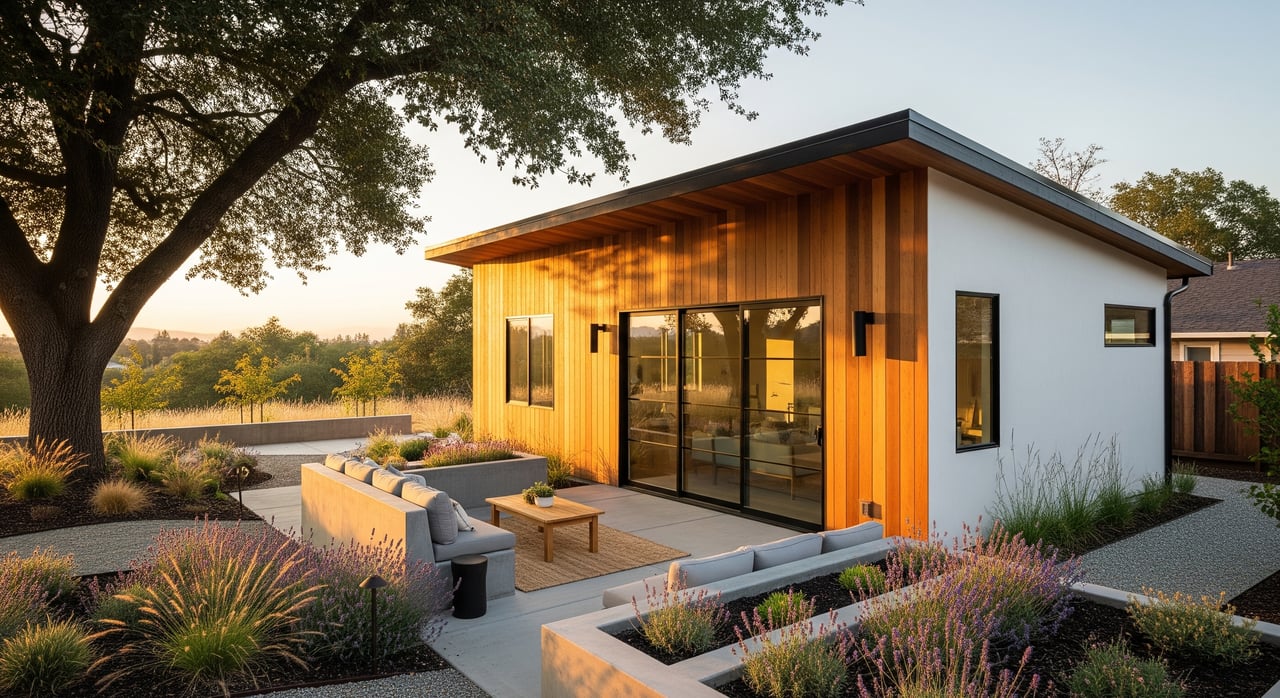
Thinking about adding a small home, studio, or suite on your Sutter property? You are not alone. Many local owners are exploring ADUs and JADUs to create flexible living space, support family, or unlock rental income. In this guide, you will get a clear look at what it takes in Sutter County, from feasibility and utilities to timelines, costs, and first calls to make. Let’s dive in.
What ADUs and JADUs mean for you
An accessory dwelling unit (ADU) is a secondary home on the same lot as your primary residence. A junior ADU (JADU) is a smaller unit created within your existing home. California law generally supports ADUs with streamlined, ministerial review, but local standards still apply in Sutter County.
If you are in or near Sutter, your parcel is typically under Sutter County’s rules unless it lies in a city boundary. You will confirm what is allowed on your lot with County Planning and the Building Division before you invest in plans.
Can you build an ADU in Sutter?
State law sets broad guardrails that make many ADUs possible, yet your specific parcel conditions determine the path. Sutter County zoning, setbacks, lot coverage, height limits, and any overlays will guide what you can build. Start by verifying your zoning district and the maximum number of dwellings allowed on your lot.
Check whether your property is subject to an HOA or any private covenants, conditions, and restrictions. Those can limit design or placement even when the County allows an ADU. If your land sits in agricultural, floodplain, or other special districts, you may face additional reviews.
Start with zoning and lot basics
Confirm your zoning type, required setbacks, and lot coverage. Ask Planning staff how local standards interact with state ADU rules on size and parking. Clarify whether your parcel supports a detached ADU, an attached unit, a garage conversion, or a JADU.
Watch environmental and hazard rules
If you are in a wildfire risk zone, you may need certain materials and defensible space. Floodplain, wetlands, or habitat areas can trigger extra studies or limit buildable area. These factors affect siting, timelines, and costs.
HOA and private covenants
If you are part of an HOA, check CC&Rs early. Private rules can limit exterior changes, parking, or locations, which could shape your design and schedule.
ADU types and best fit
Choosing the right ADU type depends on your site, budget, and goals. Each option comes with trade-offs to weigh before you design.
- Garage conversion: Often the fastest and most affordable. Constrained by existing structure and may affect on-site parking.
- Attached ADU: Shares a wall with the main home or converts existing attached space. Usually easier for utility tie-ins and circulation.
- Detached ADU: A backyard cottage provides privacy and strong rental appeal. Requires new foundation and utility extensions.
- JADU: A small, internal conversion that typically shares utilities. Lower cost, but less privacy for occupants.
When planning size, think about bedroom count and accessibility. A one-bedroom often balances cost and rental demand, while a two-bedroom can increase income potential but may trigger added septic or parking requirements. Single-level layouts, no-step entries, and wider doors increase long-term usability and market appeal.
Timeline and milestones in Sutter
Every project is unique, but most follow a predictable sequence. Some steps overlap, and county workloads can shift timeframes.
Initial feasibility (1 to 4 weeks)
- Verify zoning, setbacks, unit count, and any HOA rules.
- Identify sewer vs septic, water source, and utility access.
- Get a rough cost picture and check hazard overlays.
- Contact Sutter County Planning for pre-application guidance.
Concept design and budgeting (2 to 6 weeks)
- Choose your ADU type and sketch layouts.
- Seek preliminary estimates from contractors or designers.
Formal plan development (2 to 8+ weeks)
- Prepare permit-ready plans and a site plan showing setbacks, grading, and utilities.
Permitting and plan check (4 to 12+ weeks)
- Submit to County Building and Planning for ministerial review.
- Environmental Health reviews septic and well items if applicable.
- Utility providers review service or meter needs.
Construction (2 to 9+ months)
- Complete site prep, foundation, framing, utility connections, and interiors with inspections along the way.
Final inspections and occupancy (1 to 4 weeks)
- Obtain final approvals and a Certificate of Occupancy or sign-off.
Post-occupancy (ongoing)
- Register the address if needed, update insurance, and handle any rental registrations.
Common slowdowns include septic capacity upgrades, utility trenching or transformer checks, and back-and-forth during plan check. If you have an HOA, allow time for covenant approvals.
Utilities and site realities
In the Sutter area, utilities and site conditions often drive cost and schedule. Plan for these items early so you do not face surprises later.
- Septic systems: Many local homes are on septic. Added bedrooms or a second unit can require a capacity review or system upgrade. Septic requirements often tie to bedroom count and reserve area.
- Wells and water: Rural properties may use private wells. You might need to confirm well yield and pump capacity to support an added unit.
- Electricity and gas: Detached ADUs often require trenching and may need a separate meter or capacity review with your provider. PG&E commonly serves the area, and natural gas availability varies.
- Stormwater and grading: New roofs and hardscape change runoff. You may need grading permits or drainage plans.
- Parking and access: State law reduces parking in many cases, yet local rules can still require spaces in some areas. Design for safe access and meet fire department clearance.
- Wildfire: Where risk is high, expect materials and defensible-space standards, plus fire district input.
Costs, financing, and value
Your budget will depend on type, size, site work, and finish level. Conversion projects can be more affordable than new detached builds, while separate foundations, trenching, and septic or well upgrades increase costs. Across California, total budgets range widely, from tens of thousands for minimal conversions to several hundred thousand dollars for larger detached units. Local contractor bids will give you the most accurate picture.
Common financing tools include cash, a HELOC, a cash-out refinance, construction loans, and ADU-specific products where available. FHA 203(k) or other agency programs may help with certain rehabilitation scopes. Confirm current program eligibility for ADUs with your lender.
ADUs can boost property value by adding livable square footage and potential rental income. The uplift varies by neighborhood, design quality, and rental demand. Consider trade-offs as well, since some buyers prefer single-family layouts without a second unit.
Taxes and insurance change when you add a unit or rent it out. Improvements can affect your property tax assessment, so check with the County Assessor. Update your homeowners insurance to cover the new structure and any rental use. If you plan short-term rentals, verify local rules and any transient occupancy taxes.
As a landlord, you must follow California tenant and habitability laws. Stay current on regulations or consult a property attorney or manager before leasing. Some jurisdictions require rental registrations or business licenses.
Your first calls and quick checklist
Getting the right people involved early saves time and money. Use this list to sequence your outreach and organize your next steps.
Call these first:
- Sutter County Planning and Community Development for zoning, setbacks, lot coverage, and ADU standards.
- Sutter County Building Division for submittal requirements and plan check steps.
- Sutter County Environmental Health for septic and well reviews.
- Your local fire district for access, defensible space, and suppression requirements.
- Utility providers for power, gas, water, sewer capacity, meters, and service extension costs.
- Your HOA or CC&R administrator if applicable.
Line up advisors:
- An ADU-savvy designer or architect, or an ADU plan service.
- A licensed general contractor experienced with ADUs and septic or well work when needed.
- A structural or civil engineer for grading, foundations, or hillside considerations.
- A lender to discuss HELOC, construction, or other financing.
- A real estate agent or appraiser to estimate value impact and market rents.
- A tax advisor and insurance agent for assessment and coverage changes.
Quick homeowner checklist:
- Verify zoning and ADU allowance for your parcel.
- Confirm septic capacity or sewer availability.
- Set a budget with a 10 to 20 percent contingency for site work.
- Choose ADU type, size, and bedrooms.
- Get a preliminary design and contractor estimate.
- Send pre-application questions to county staff or request a meeting.
- If you plan to rent, review local rental rules and registration.
Tips to keep your project moving
- Get septic and well information early, especially if you are adding bedrooms.
- Decide on shared vs separate meters for a detached ADU before design is final.
- Keep your layout compact to control trenching and foundation costs.
- Plan parking and access at the start so you meet local and fire requirements.
- Consider single-level, no-step entries and wider doors for future flexibility.
- Use a pre-application check with County staff to catch issues before submittal.
- Respond quickly to plan check comments and track documents in one place.
How Ginny helps local owners
An ADU can strengthen your property’s flexibility and long-term value, but the details matter. You deserve a clear view of value impact, rental potential, and the trade-offs on your specific parcel. With deep Yuba-Sutter market experience and a trusted vendor network, Ginny can connect you with local designers and contractors, and help you evaluate resale and rent scenarios so you build smart.
If you want help estimating value uplift, understanding buyer demand for ADUs, or timing a future sale around your project, reach out. For a neighborly, hands-on consult that puts clarity first, connect with Ginny Ritz.
FAQs
Can I build an ADU on my Sutter property?
- It depends on your zoning, lot coverage, setbacks, bedroom count impacts on septic, and any HOA rules; confirm with Sutter County Planning.
What size ADU can I build in Sutter County?
- State law often allows generous sizes and many areas cite up to 1,200 sq ft for detached units and about 500 sq ft for JADUs, but you must verify local limits with the County.
Do I need extra parking for a new ADU?
- State laws reduce parking in many cases, but local ordinances may still require on-site spaces in some areas; ask Planning for your parcel’s requirement.
Will I need to upgrade my septic or well for an ADU?
- Possibly; added bedrooms or a second unit can trigger septic capacity reviews or upgrades, and wells may need yield or pump checks.
How long does a Sutter ADU take from idea to move-in?
- Many projects take several months to more than a year, depending on design scope, septic or utility work, plan check, and construction.
Do I need a separate meter or address for an ADU?
- Some ADUs can share meters, while others may need separate service; your utility provider and County rules determine requirements.
How will an ADU affect my property taxes and insurance?
- Improvements can change your tax assessment and rental use affects coverage; check with the County Assessor and your insurer.
What are the main costs I should budget for?
- Plan for design and permits, site work like trenching or septic, foundation, framing, finishes, utility fees, and a contingency for unknowns.